
Dental Fillings
Tooth-coloured restorations that repair decayed portions of the tooth and save you from bigger treatment later.
What is it?
A filling repairs a tooth damaged by decay or a small fracture. We remove the decayed part and rebuild the tooth with a strong, tooth-coloured material that's matched to your natural shade. Treating a cavity early is quick and simple, and can save the tooth from needing a root canal or extraction.
Do you need it?
You may benefit if you notice:
- Sensitivity to sweets, cold and hot food
- A visible hole or dark spot or rough edge on a tooth
- Food getting stuck between particular teeth
- A chipped tooth or an old filling that is broken or worn
- A cavity spotted at your regular check up or on an X-ray
Step by step
What happens during treatment
- 1
Diagnosis
Examination and if needed an X-ray to see how deep the decay goes.
- 2
Anaesthesia
Local anaesthesia is given for your comfort, to prevent sensitivity and pain while the decay is cleaned out
- 3
Removing decay
The decay is gently cleaned, checking carefully at each step so the margins are clean and clear. We do this under magnification.
- 4
Filling the tooth
A tooth coloured filling material sometimes with a regenerative material is placed in layers to give the tooth back its form and function.
- 5
Shaping and polishing
The filling is adjusted so that your bite feels natural and the filled portion looks indistinguishable from the natural tooth.
Visits
1 (2 if a regenerative cement is used)
Duration
30–60 minutes
Comfort
Low discomfort
Usually painless. Some temporary sensitivity to cold for a few days can happen with deeper fillings.
Aftercare
- Avoid chewing until numbness wears off
- Mild sensitivity for a few days is normal
- Tell us if your bite feels high because a quick adjustment fixes it
- Cut down on sugary snacks and brush with fluoride toothpaste to prevent new cavities
Questions
Your specialist

General Dentist and Root canal specialist
Dr. Shreya Kothari
MDS
Minimally invasive root canal care, vital pulp therapy and biomimetic restorations.
View profile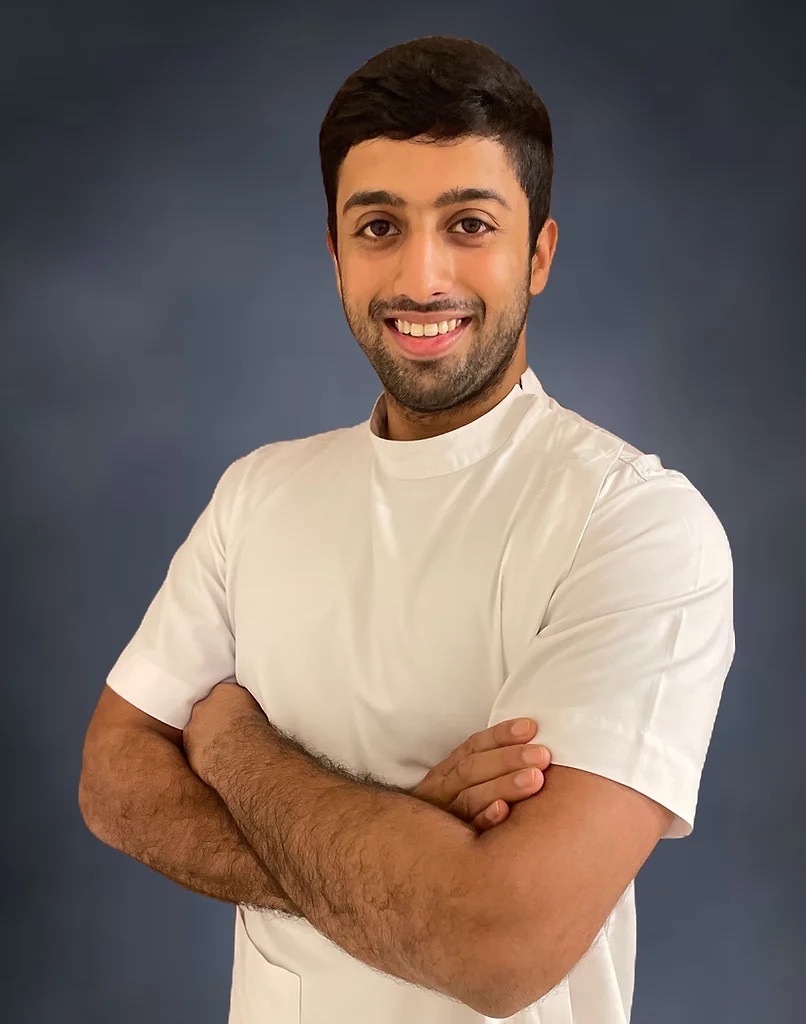
General Dental & Advanced Implant Specialist
Dr. Jonua Fernandes
BDS, MS (Oral Implantology), FICOI (USA)
Advanced implant care grounded in careful planning, precision and long-term function.
View profile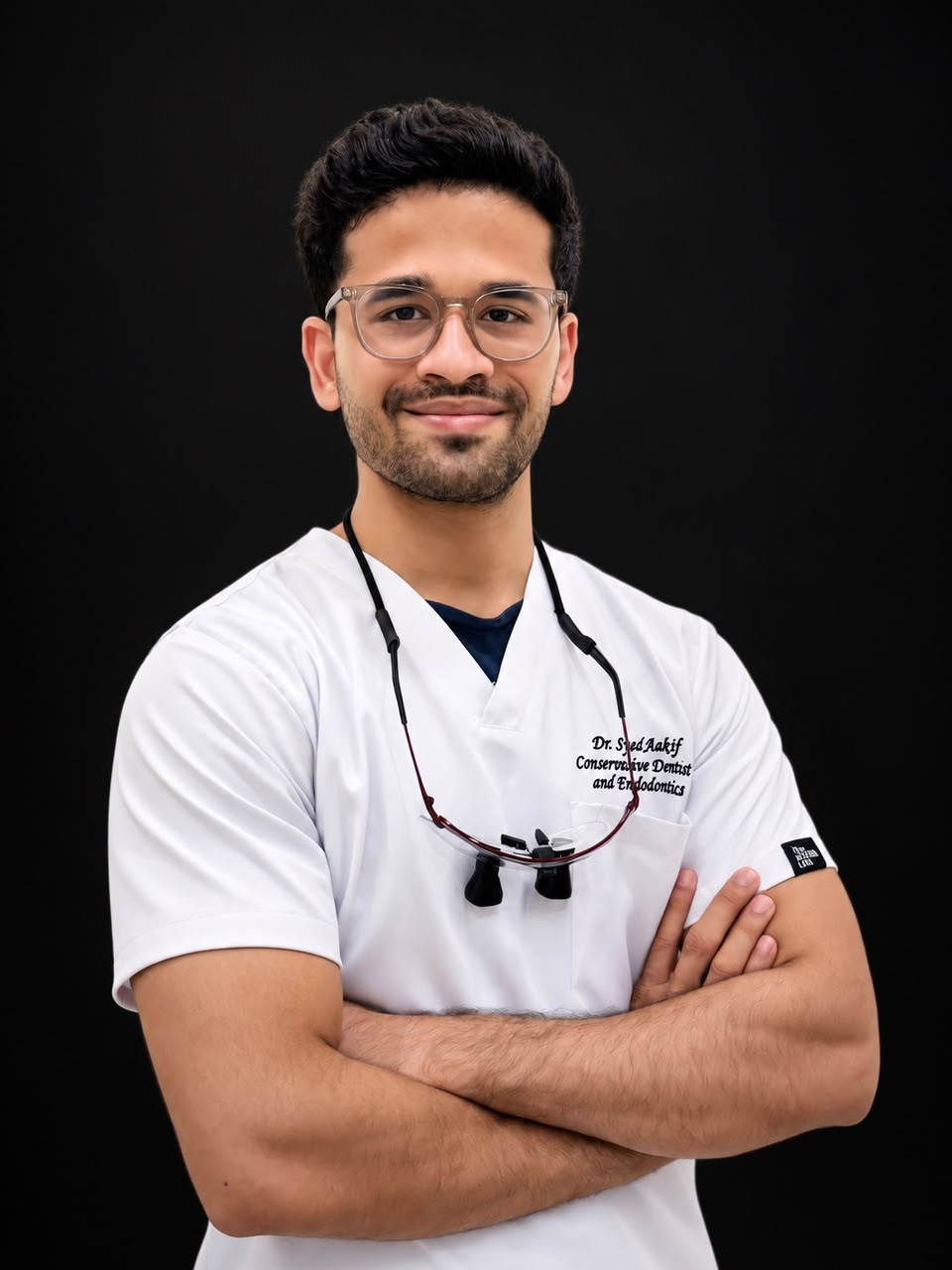
General Dentist and Root canal Specialist
Dr. Syed Aakif
MDS
Advanced endodontics, aesthetic dentistry driven by precision to achieve excellence
View profile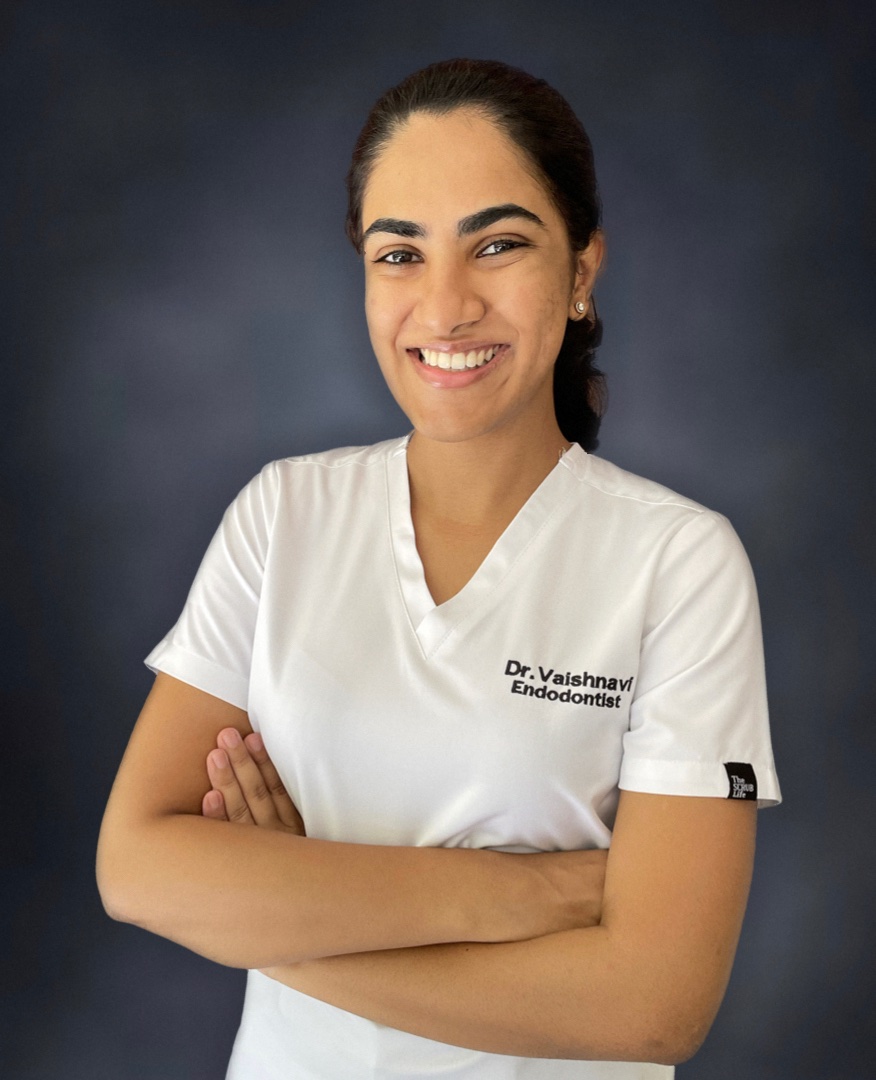 On maternity leave
Root Canal Specialist and Restorative Dentist
Dr. Vaishnavi Reddy
MDS (Conservative Dentistry & Endodontics)
Microscope-assisted treatment for complex cases, with a focus on preserving natural teeth.
View profileYour safety and care: Sterilisation & Hygiene Our Technology